
Subtotal $0.00

Sure! Here’s a rewritten version of the content while maintaining the HTML tags:
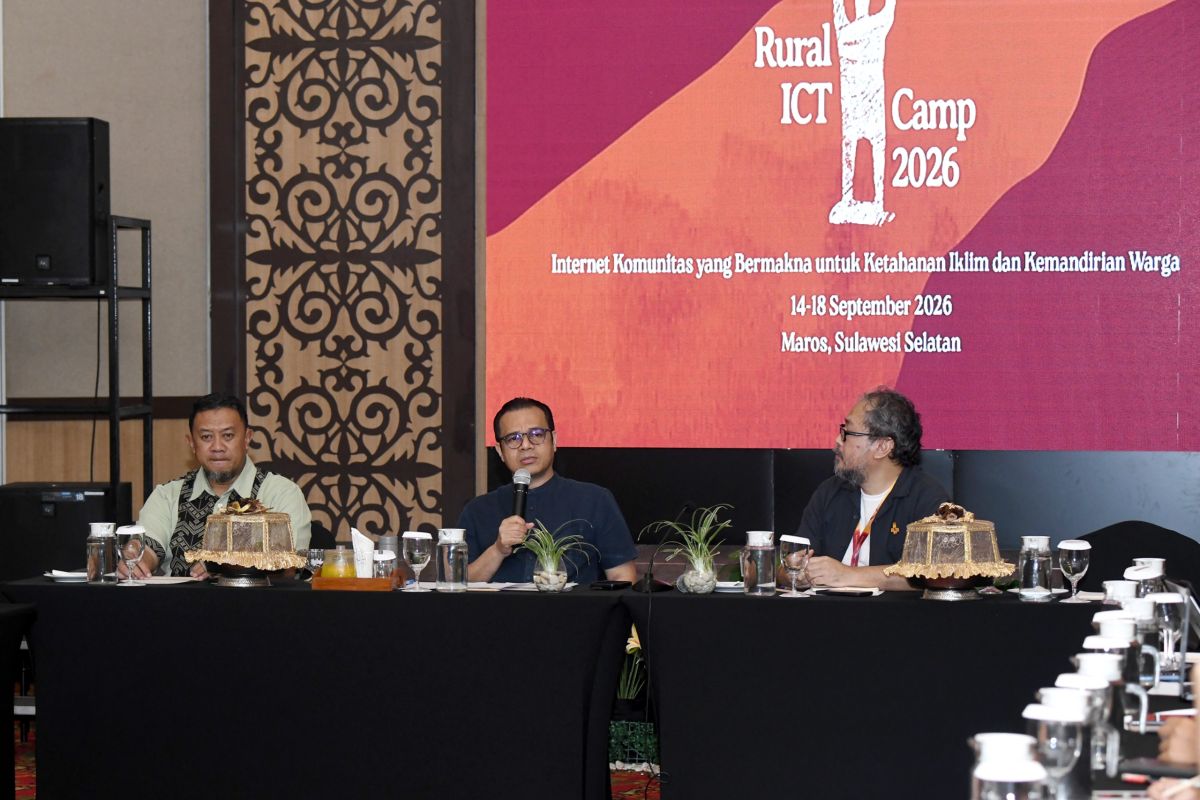
Jakarta (ANTARA) – The Deputy Minister of Communication and Digital, Nezar Patria, emphasized the importance of community and society, including indigenous communities, in countering the negative effects of echo chambers created by sophisticated algorithms on social media.
In an official statement confirmed in Jakarta on Tuesday, Nezar observed that existing digital connectivity allows for easy and rapid dissemination of information, with algorithms enhancing the spread of that information. The speed at which information circulates must be balanced with community involvement, as not all information circulating in echo chambers due to algorithms is accurate and may even be misleading.
“It’s crucial for our friends in the community to combat disinformation and misinformation,” Nezar stated during the discussion at the “Rural ICT Camp 2026,” themed “Meaningful Community Internet for Climate Resilience and Citizen Independence.”
Nezar explained that algorithms not only accelerate the dissemination of information but also amplify the narratives accompanying that information. This issue is compounded by algorithms on social media, which have become integral to digital lifestyles, tailoring information based on user preferences.
“Algorithms create echo chambers; that’s what regulates us now. Platforms create filter bubbles,” Nezar said.
For individuals who are not discerning and lack adequate digital literacy, this situation can be challenging, as they may struggle to find accurate information amid the overwhelming noise from social media.
Therefore, the expansion of telecommunications networks should be coupled with enhancing the ability of the community to use the internet wisely and beneficially. Additionally, communities and indigenous groups must take a values-based and local wisdom approach as a layer to combat the adverse effects of technology applications.
“Communities and indigenous peoples need to develop local strategies and policies to filter out negative content prohibited by tradition,” Nezar added.
In light of these circumstances, Nezar hopes that community-focused initiatives on digital utilization and indigenous societies can participate, ensuring that the digital connectivity established by the government yields tangible positive impacts.
This way, interactions among the Indonesian society can be warm not only in the physical realm but also in the digital space, which reflects the real world.
“Connectivity must lead to meaningful connectivity, impactful connectivity. That’s what we all aspire to,” Nezar concluded his statement.

Comments are closed